People
Thomas Gregor
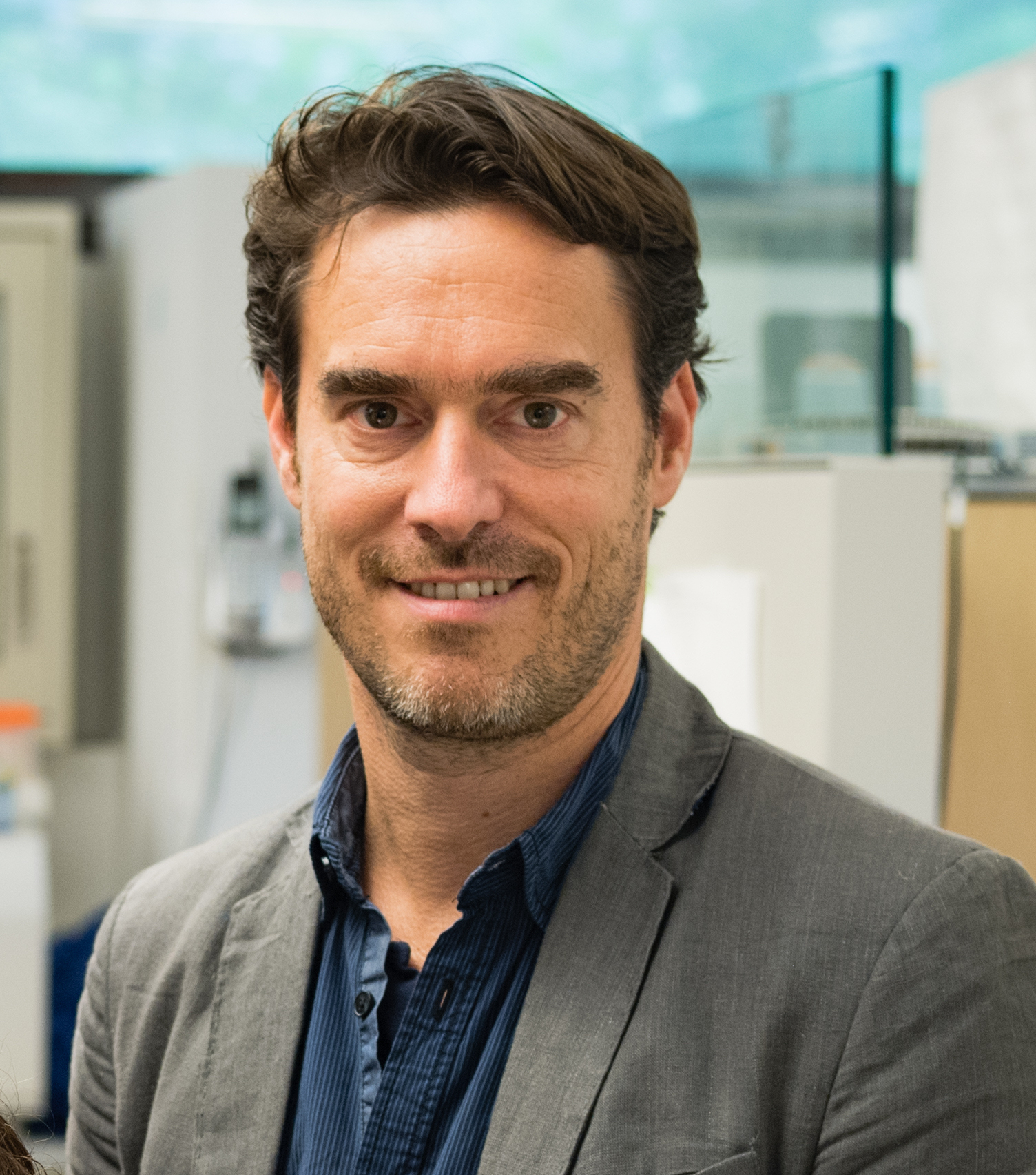
Professor of Physics and member of the Lewis-Sigler Institute for Integrative Genomics
I am interested in providing quantitative descriptions of the rich qualitative phenomena of complex biological systems to understand how they derive from general principles. I work at the interface between physics and biology, often marrying theory and experiment. Clearly, there is something fundamental that distinguishes inanimate from living systems, and what drives my group’s research is the belief that the same physical laws must govern both classes of systems. Life magically emerges within this framework, leading us to new areas of physics, which we seek to uncover. To make progress we pursue a physics-style approach, combining state-of-the-art experimental techniques, often developing new kinds of measurements in living systems, with sophisticated data analysis methods that allow for stringent tests of simple models and theory.
1999 Physics Master (Geneva University, Switzerland)
2001 Chemistry Master (Princeton University)
2005 Ph.D. Biophysics (Princeton University)
2006-09 JSPS Fellow (Tokyo University, Japan)
2009 Assistant Professor of Physics (Princeton University)
2015 Associate Professor of Physics (Princeton University)
2019 Professor of Physics (Princeton University)
Some more background on my path can be found here:
The Scientist Portrait (2013)
Interview (2015)
Quanta Magazine (2019)
Research Associates
Kevin Keomanee-Dizon
Dicke Fellow and CPBF Fellow.
My graduate research involved the development of several microscope technologies: light sheet, multiphoton, super-resolution, hyperspectral, and light field. These imaging technologies have a broad range of applications that span many levels of organization, from the dynamics of single molecules to whole-brain activity in behaving animals. Here in the lab, I continue to develop new optical tools, with an eye toward using these tools to study the basic physical principles that govern gene expression. I’d like to understand how remarkably precise patterns of multicellular organization arise from spatially complex, rapidly evolving molecular events, as well as how fluctuations and long-range DNA interactions place physical limits on information flow and reliable cellular decision-making.
Miloš Nikolič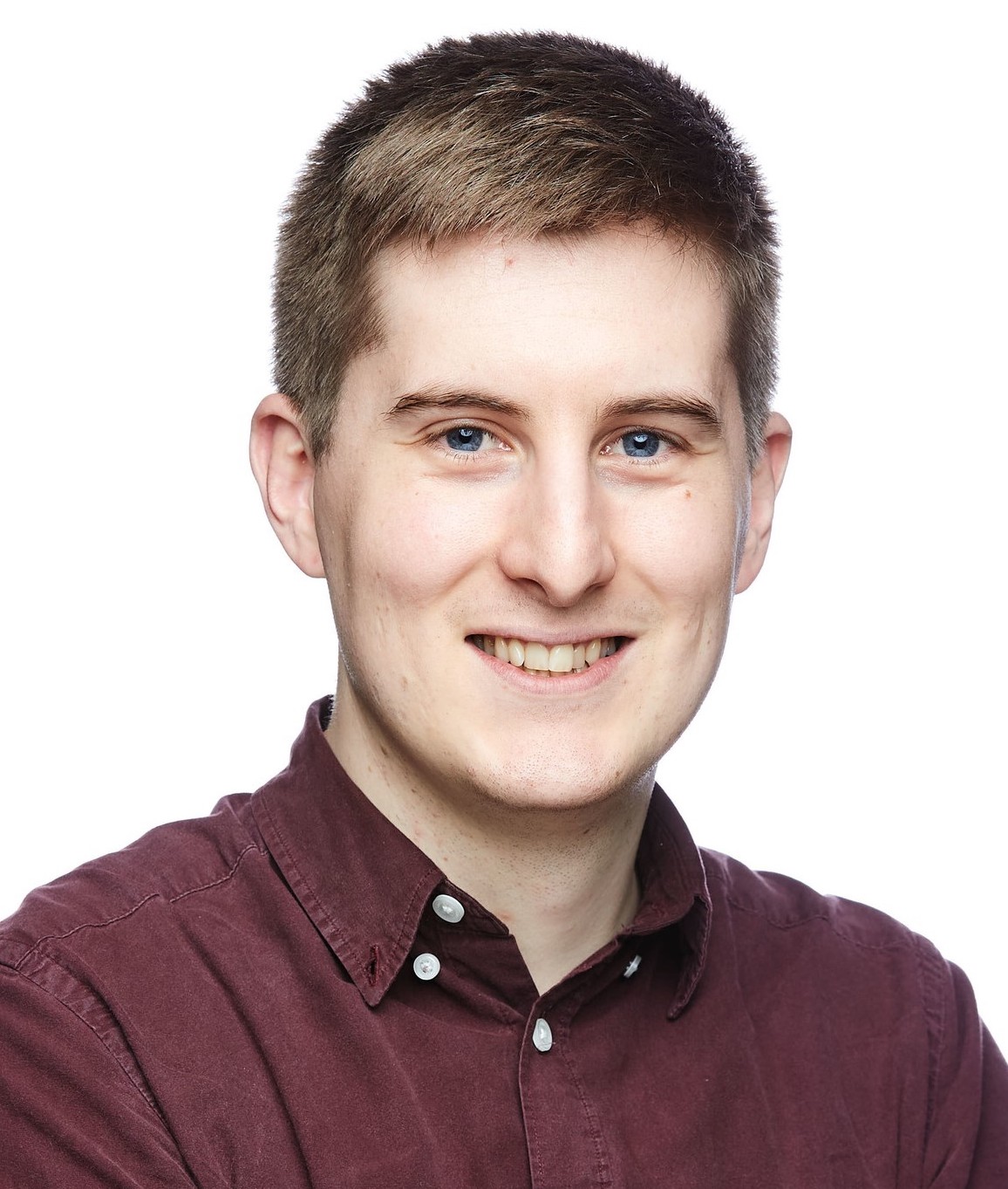
Postdoctoral Research Associate
I am fascinated by the biophysics of cells across length scales, from the physics of molecular-scale processes that drive individual cells, to the mechanisms by which those cells interpret internal and external signals to form highly organized tissues and organisms. To study this, I have focused on optimizing and applying live-imaging methods that probe a range of physical parameters across several length scales. In my PhD work, I focused on the experimental investigation of biomechanics of mammalian cells. In the Laboratory for the Physics of Life, I use cutting edge quantitative imaging methods to study the multicellular pattern formation in the fruit fly embryo as a model for complex developmental programs. By measuring highly dynamic biological and physical parameters I hope to uncover the underlying physical principles that govern cell fate in whole, developing organisms.
Sergey Ryabichko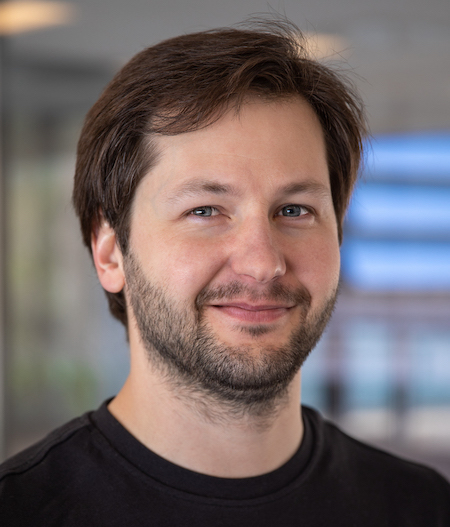
Postdoctoral Research Associate
I am fascinated how particular sequences of nucleotides comprise binding sites for certain transcription factors that interact with them precisely in space and time. Those sequences are known as cis-regulatory elements. The frequency and duration of such interactions might lead to or be a consequence of a dynamic shaping of the genomic structure and changes in physical distances between the elements. Physical distances have some correlation with genomic distances, but not always, as multiple components are at play. Those components have different physicochemical properties, and my ambition is to uncover mechanisms of gene transcription regulation through the prism of quantification of physical parameters of the four-dimensional organization of the genome.
Rahul Munshi

Postdoctoral Research Associate/CPBF Fellow
During my Ph.D. in Physics, I was introduced to probing and perturbing molecular biological processes, giving rise to quantifiable, correlated outcomes at the organismal level. I have ever since been fascinated by how precision arises out of the inherently stochastic processes of life. My long-term goal is to decipher the common rules of biological information dissemination, processing, and storage. I joined the Gregor lab to build on the strong foundation the group has developed on the biophysical and technical aspects of studying Drosophila embryos as a biological system for physics-style investigation. I seek to gain a better understanding of the temporal dynamics of genetic interactions in live embryos, and their role in determining the precision of pattern formation. I am also interested in understanding the functional aspects of chromatin dynamics and identify how molecular events induce conformational modifications on chromatin architecture, and how that influences transcription during the highly dynamic early developmental stages.
Michal Levo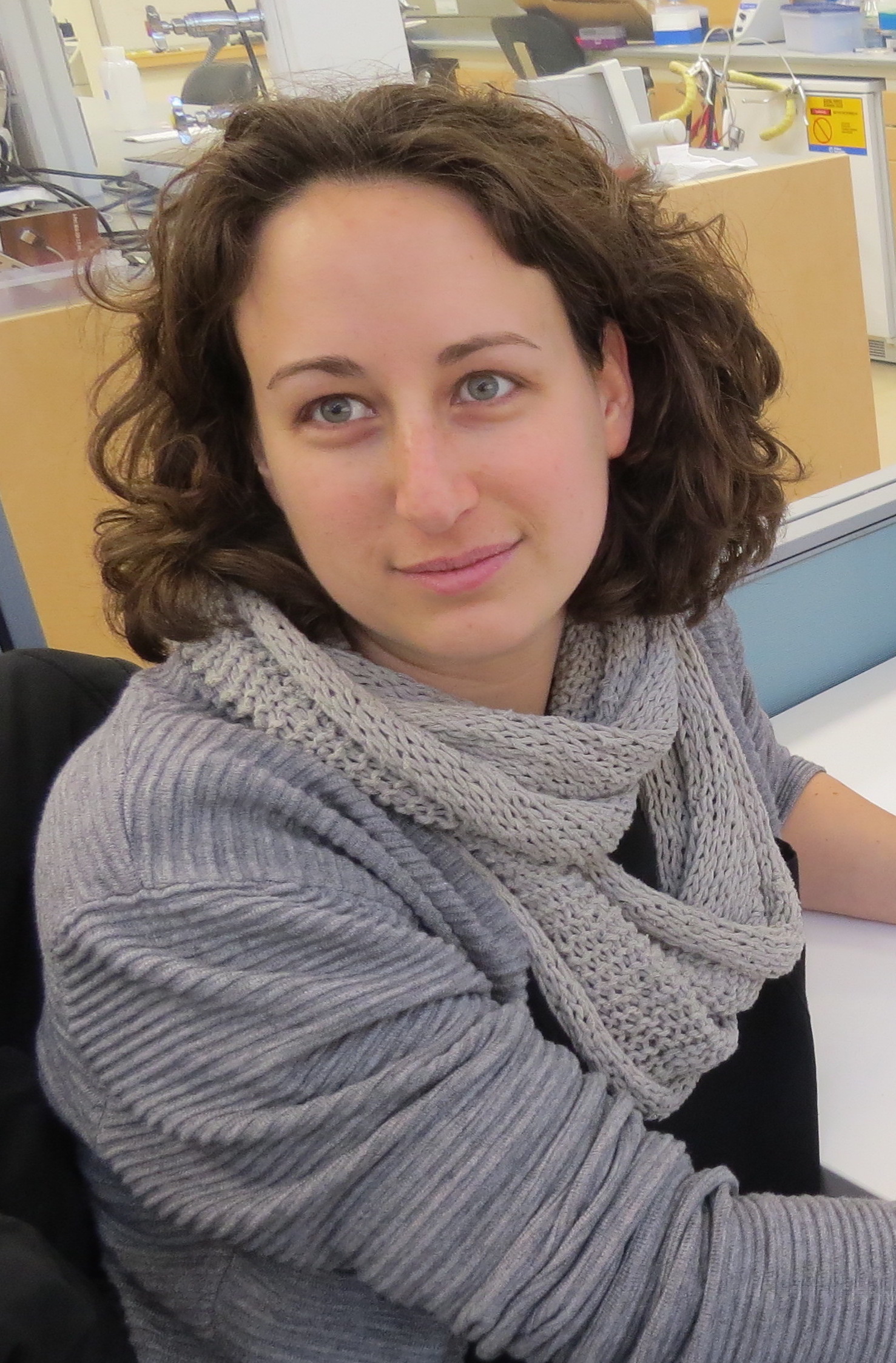
Postdoctoral Research Associate/EMBO Fellow/HFSP Fellow
The proper progression of development and differentiation relies on complex spatiotemporal regulation of gene expression. This is beautifully demonstrated in the early Drosophila embryo, where, within 2-3 hours, gene expression patterns restricted in time and space, give rise to a blueprint of the adult fly. Complementing my background in high-throughput genomic approaches, I am interested in developing and employing live-imaging technics established in the Gregor lab. By coupling these with genome editing, and quantitative analysis, I hope to capture dynamic properties of gene expression regulation and advance our mechanistic understanding; bridging the gap between microscopic processes and pattern formation.
Benjamin Zoller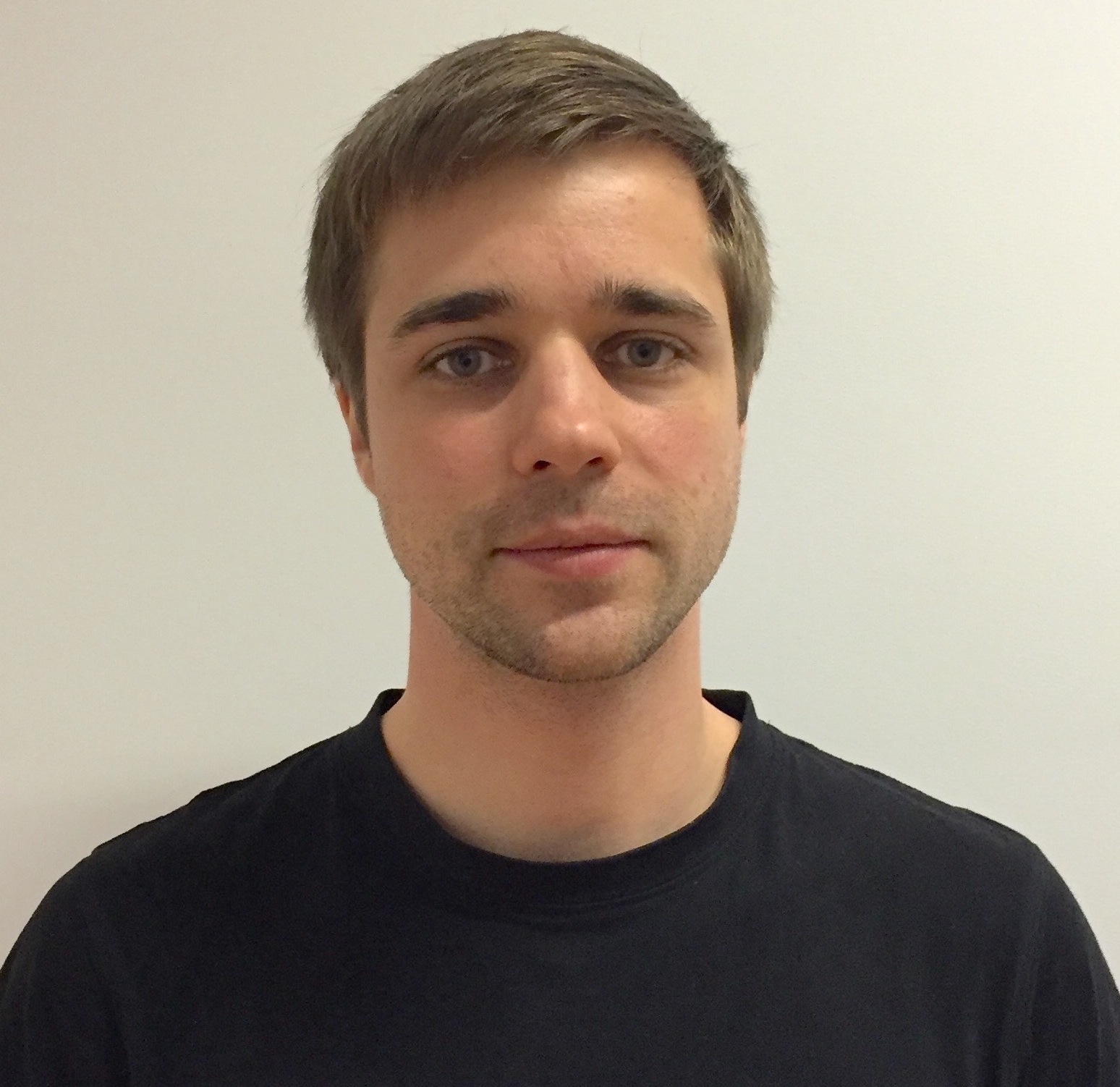
Postdoctoral Research Associate/SNF Fellow
Across the tree of life, it is extraordinary that the development of entire organisms occurs at remarkably high precision given that the underlying molecular processes are inherently noisy. The embryo of the fruit fly presents the ideal system to tackle the consequences of transcriptional noise on cell fate organization during development. I am interested in understanding how precise macro-scale expression patterns emerge from discontinuous transcription at individual nuclei and explore the physical limits of the patterning system in the Drosophila embryo. During my Ph.D., I focused on the stochastic transcriptional kinetics of mammalian genes and its impact on the noise. I developed biophysically-rooted methods to infer transcriptional kinetics from time-lapse measurements of short-lived bioluminescent reporters in single cells. The purpose of my current research is to characterize the transcriptional dynamics of patterning genes from the imaging of single nuclei and elucidate the regulatory mechanisms that permit high-precision patterning in early Drosophila embryos.
Graduate Students
Pauline Hansen
QCB Graduate Student
Multicellular phenomena, such as development, regeneration, and aging, involve intricate processes requiring the integration of intrinsic and extrinsic factors across various scales. As a graduate student, I am fascinated by the global coordination within dynamically evolving mammalian systems that leads to the high reproducibility observed, especially during embryonic development.
My research focuses on decoding the mechanisms underlying self-organization in these systems. Leveraging the lab’s physical approaches and my background in molecular biotechnology, I work with mouse embryonic stem cell-derived pseudo-embryos, known as “gastruloids.” These structures provide a unique opportunity to translate tools and questions previously addressed in the Drosophila model to mammalian systems. My goal is to exploit the distinctive features and manipulation capacities of gastruloids to quantitatively assess the dynamics, plasticity, and precision of tissue morphogenesis and patterning. By adapting tools and questions from the Drosophila model, I aim to unravel fundamental principles that may have broad implications for our understanding of development and related biological processes.
Greg Kimmerer
QCB Graduate Student, NSF fellow
Now a Ph.D. student in QCB, I earned my undergraduate degrees in Applied Mathematics and Biology from Emory University (Atlanta, GA). I am interested in the processes by which animals develop from embryo to adult with extreme precision and reproducibility. I use Drosophila as a model focusing on the entire 24-hour cycle of the embryo, trying to extract simple, quantitative descriptions from imaging data. Phenotypes in developmental biology are almost always understood qualitatively – for example, when examining mutants, we typically spend just a few lines describing the morphology before diving into molecular biology. My goal is to move beyond this so that our descriptions of the animal’s body, and the process by which it acquired that body, are as sophisticated as our descriptions of the molecular processes underlying it.
Tohn Borjigin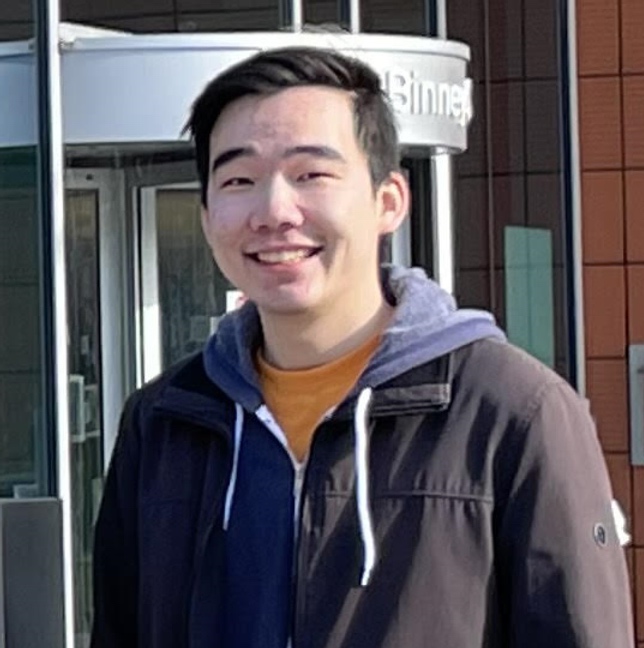
Chemical and Biological Engineering Graduate Student
(joint with Michael Levine)
The way by which biological organisms translate information from DNA to functional proteins remains one of the most complex cellular processes. Although protein-coding exons are largely recognized as the functional aspects of DNA, much of the non-coding genome plays a critical role in nuclear organization and regulation. Its exact role is largely unclear, regulatory elements that control elements of nuclear architecture have been implicated in a number of diseases and dysfunctional states. My research focuses on identifying heterogeneous distributions of fine-scale DNA topology, and how these distributions work to regulate cellular form and function. I broadly aim to study these regulatory effects by coupling super-resolution localization microscopy with high-throughput machine learning models to determine principal DNA structures and sequences to cellular function.